| |||||||||
|
Natak: the art of performance | |||||||||
|
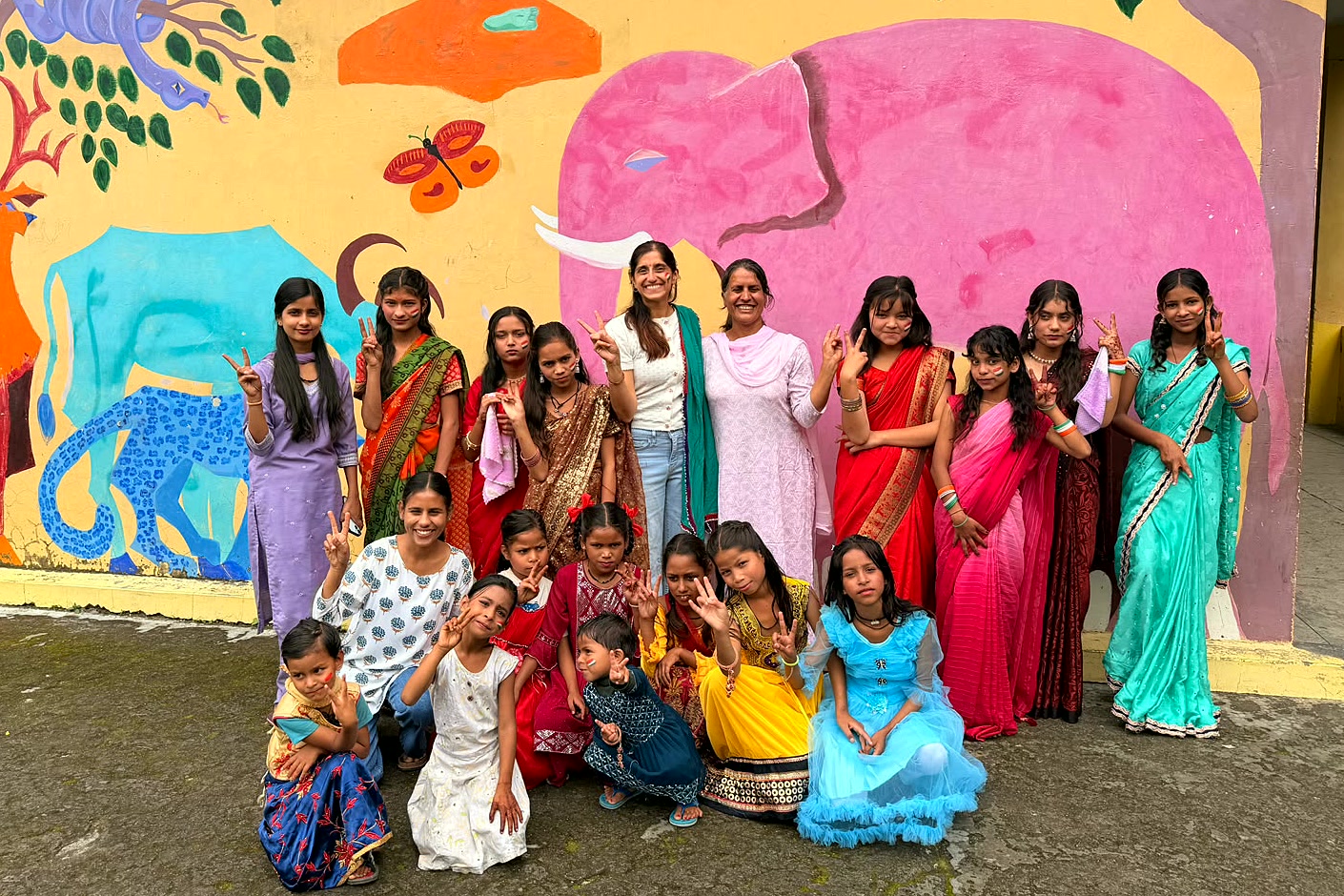
Namaste, Greetings from the Himalayas. The cool winds are entering our region, but the sun still remains bright, anointing the jungle with its warmth and translucence. We can feel the beginning of winter here, as well as the festival season celebrating the victory of light over forces of ignorance. In this newsletter we are excited to share with you one of the foundational teaching tools of our school – Drama. The art of performance as play and expression. | |||||||||
Do you remember?Do you remember any of the extra curricular activities that you did in your school life as a student? Can you recall the plays you once performed within your classroom or perhaps even upon a stage before an audience? Or those that you witnessed and watched as others performed for you. Even if you don’t remember the entire play word by word, you still remember the essence of it, some beautiful dialogues, the costumes, or the emotions connected to it. There is something so vivid about the art of performance, when we use our imagination to become different characters, or to evoke emotions from deep within. And those images, sensations, and emotions stay with us for a long time. And yet everything that we learnt only for exams mostly vanishes from the brain shortly after. | |||||||||
| |||||||||
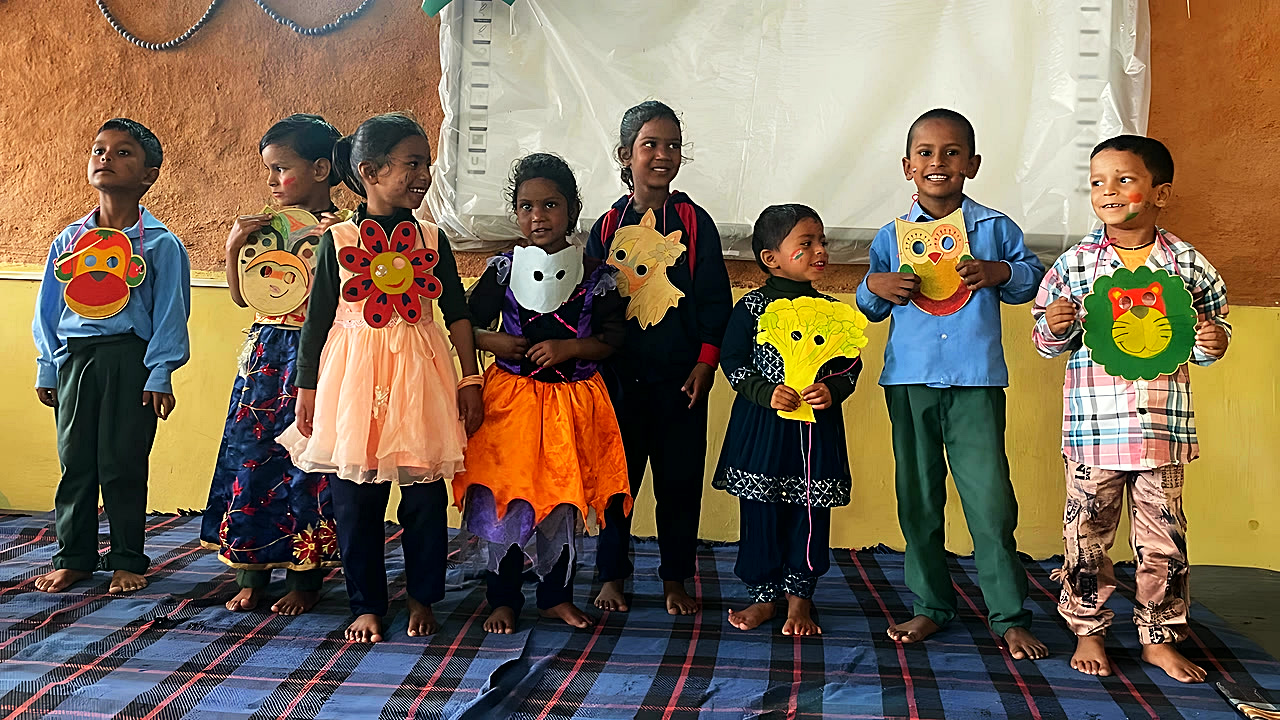
Firing on all cylindersNow, let’s see what happens in a play – what we call Natak in Hindi. When someone performs in a play, they are firing on all cylinders. They have to memorize their own lines and keep track of the sequence so they don’t miss a cue. That level of alertness keeps a child in the present moment completely. Often, they even learn the entire play to better understand the timing. Now they are speaking in a certain way, and that is totally different from the way they speak in their ordinary lives. They are moving their bodies in different ways. They might be singing in that play. They might be dancing in that play and many other things may happen that they don’t do normally in their daily lives. One part of the brain might be dealing with the stress and anxiety that people face performing in front of an audience. Another part may be building confidence and joy connected to sharing with others. | |||||||||
| |||||||||
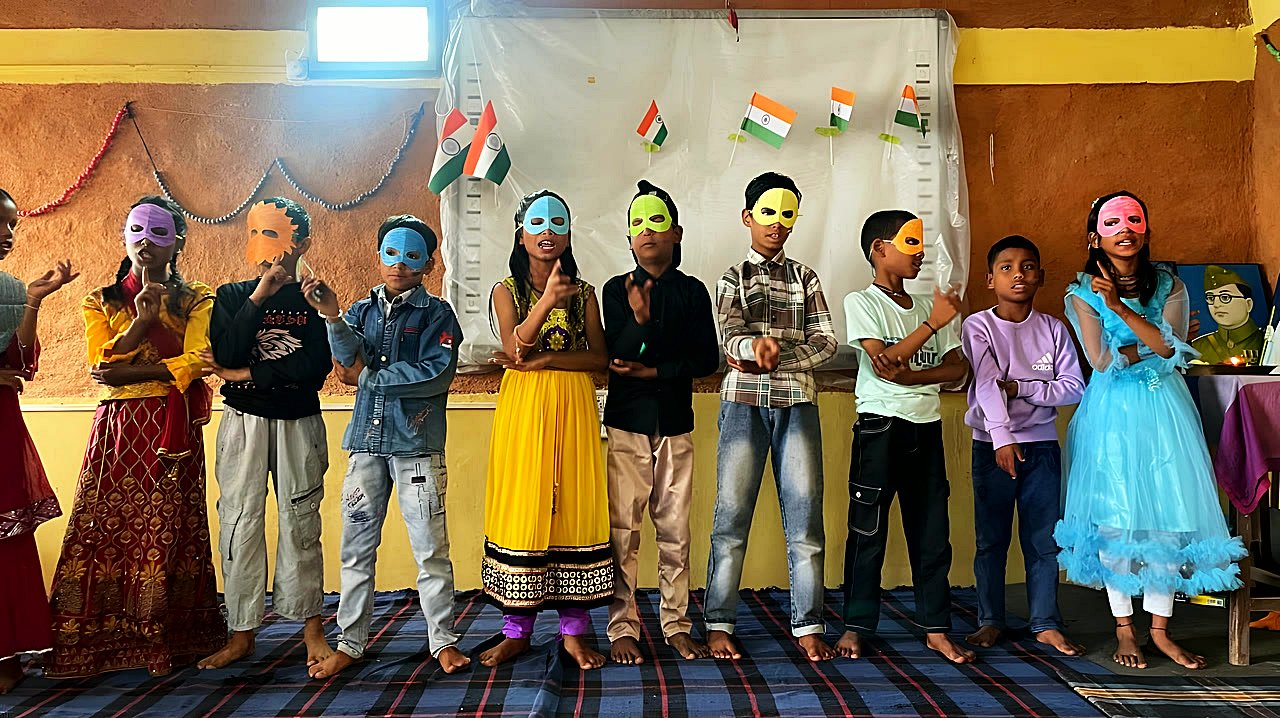
Whole-brain learningSo many things are happening simultaneously. The brain is forced to function in new, complex ways, requiring different regions to communicate and collaborate. In modern science, this structural change is known as neuroplasticity, what we at APV call ‘whole-brain’ activity. And they say neurons that fire together wire together. What this means is that the structure of the neural patterns is itself changing. That means the brain is changing, evolving, becoming more flexible and adaptable. In our school, we prioritize ‘whole-brain’ activities, and theater (many times based on their syllabus) plays a major role in this whole brain approach. These nataks are not reserved just for major events 1-2 times a year, but often are ways we weekly share syllabus material with the whole school. So the whole school becomes like a neuroplastic brain – growing, stretching, learning, engaging, becoming more flexible and communicative with all parts. | |||||||||
| |||||||||
|
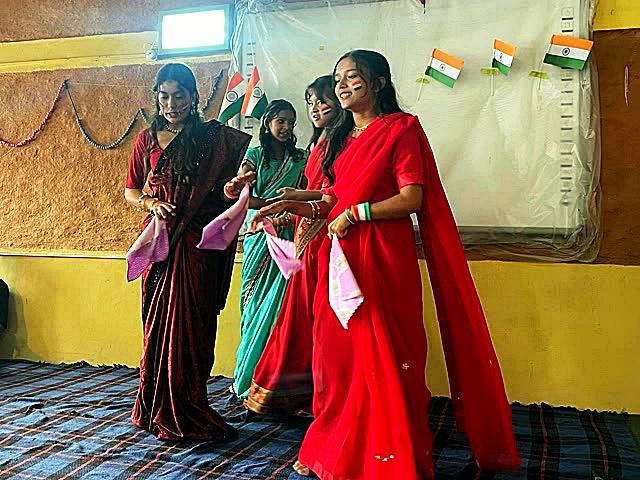
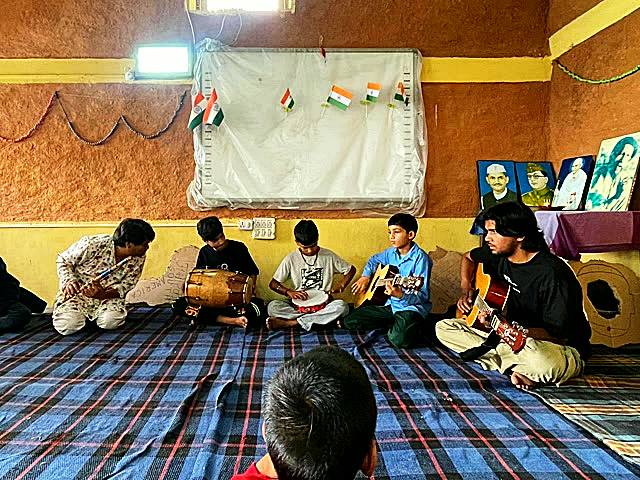
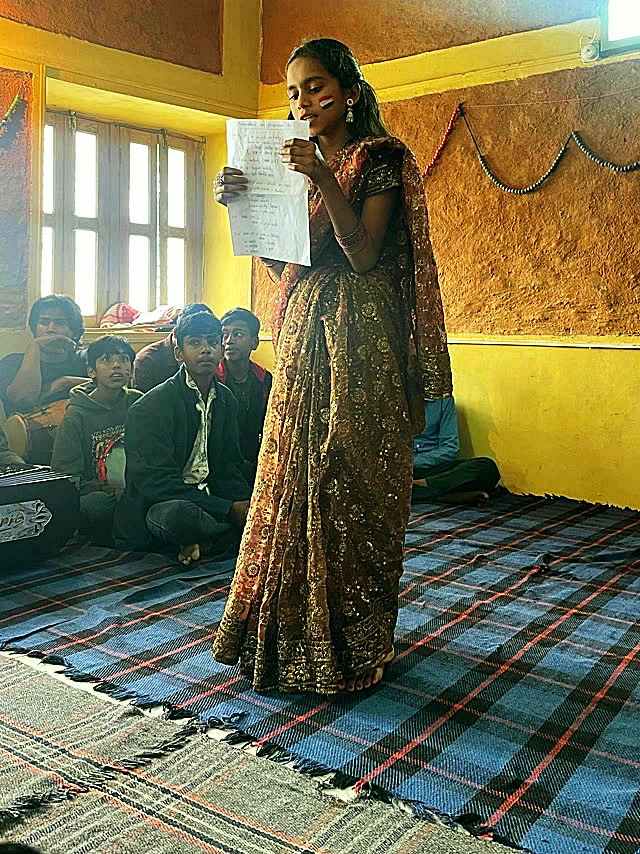
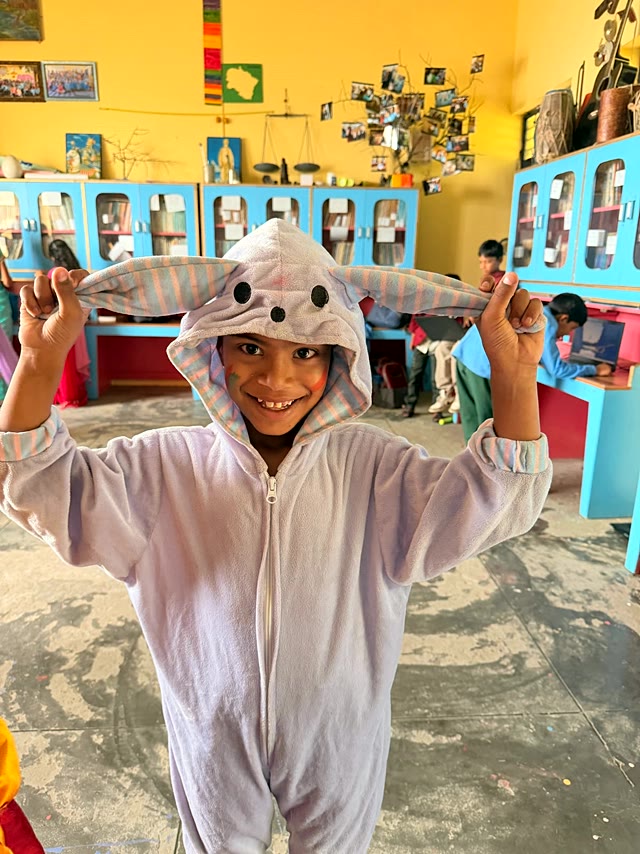
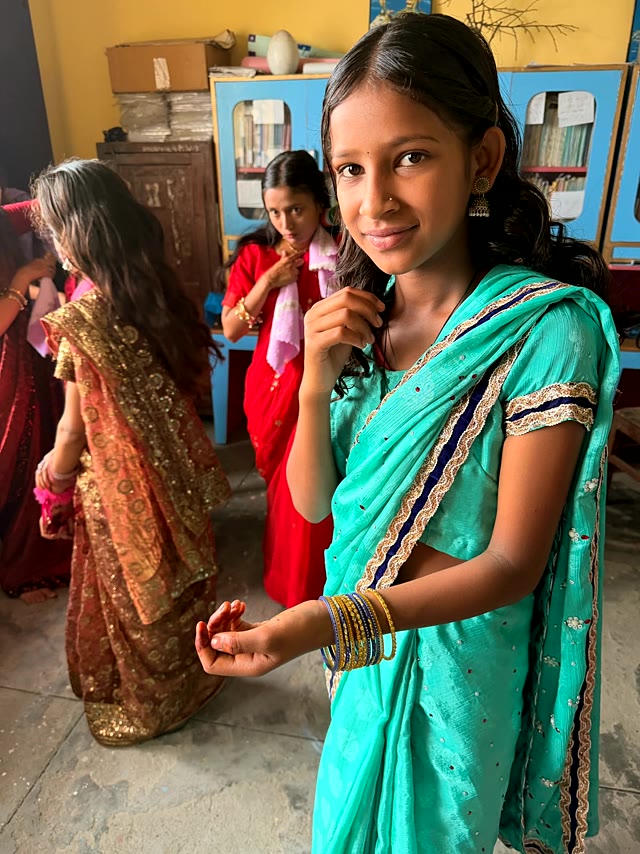
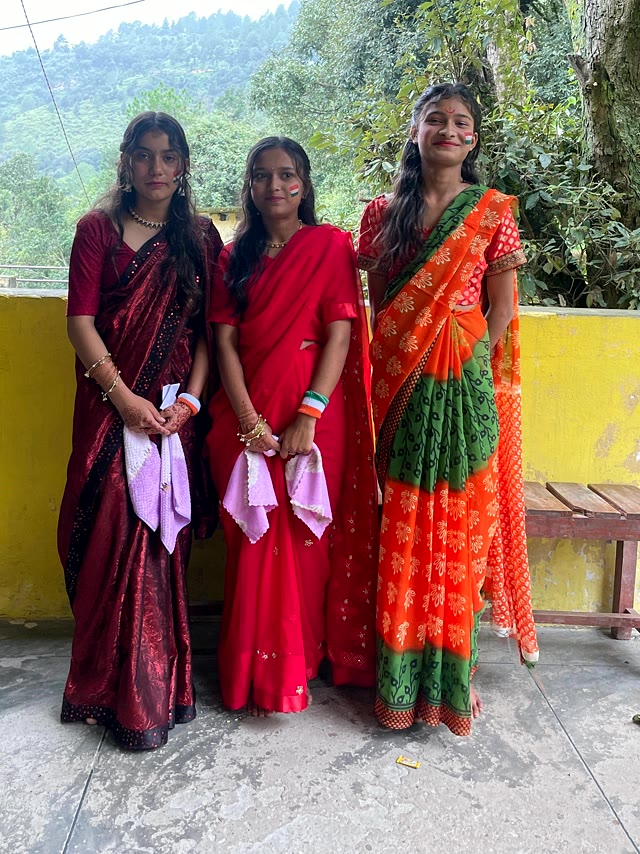
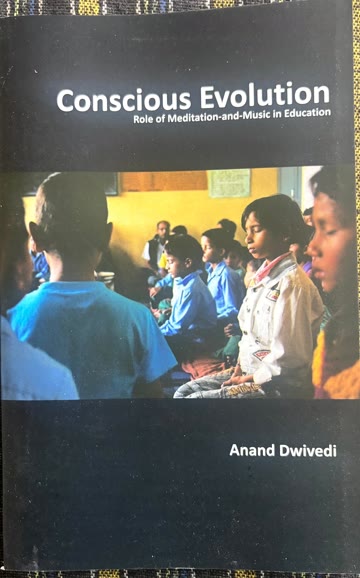
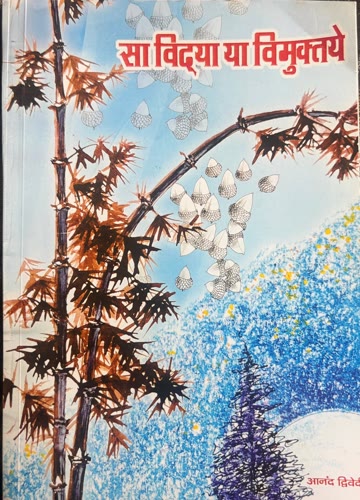
We’ve attached photos of our students enjoying these performances, along with a list of books for purchase by our founder, Anand Dwivedi of APV school. These resources offer simple examples to help you better understand this approach. | |||||||||
| |||||||||
|
From light to light, APV Community | |||||||||
|
| |||||||||
If you want to helpWe take no funding from agencies, because we want to keep the essence of the school as it is. The school runs on individual gifts, small and large.
| |||||||||

|